Promoting Girls' Sexual and Reproductive Health Rights (SRHR)
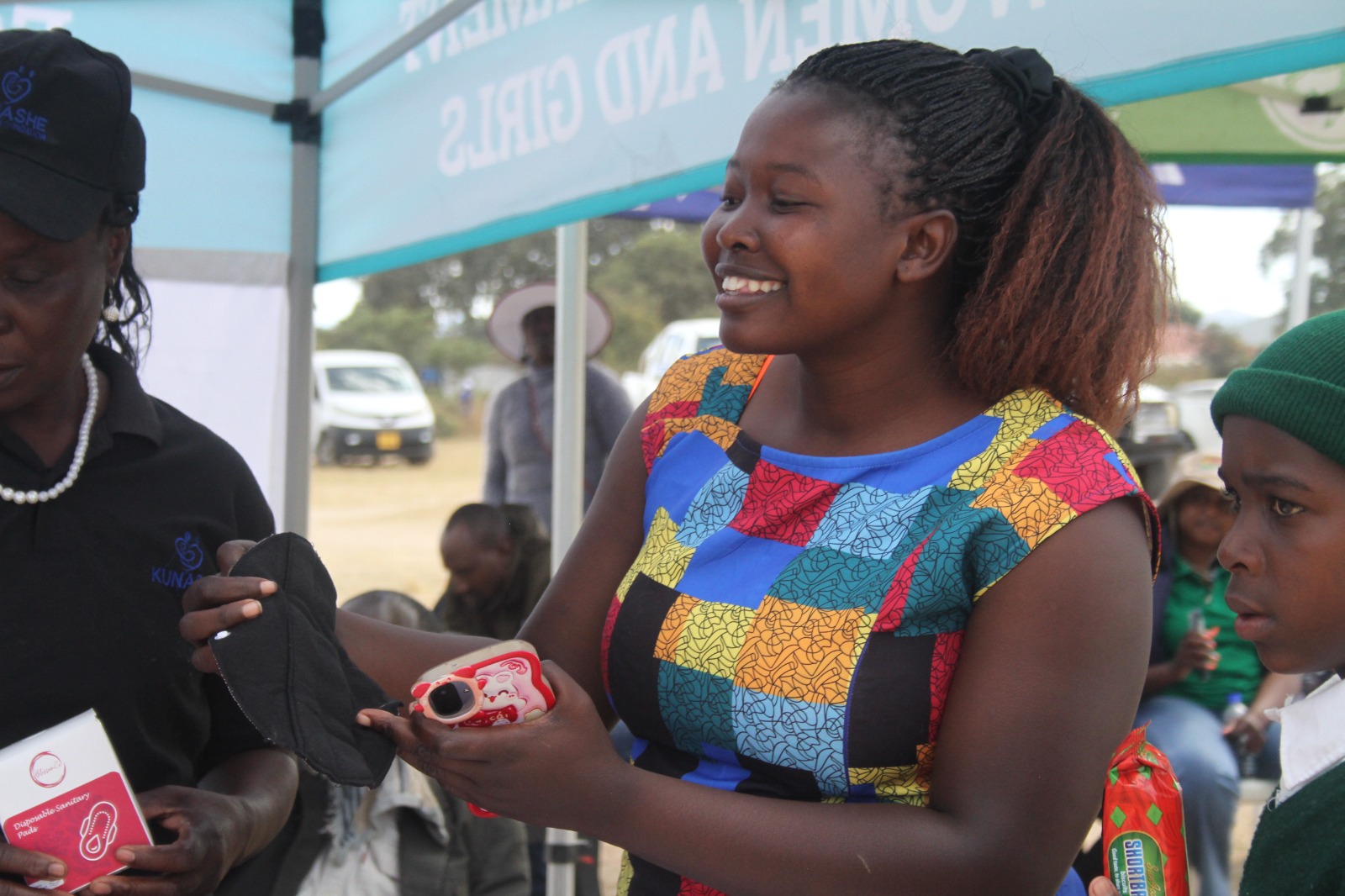
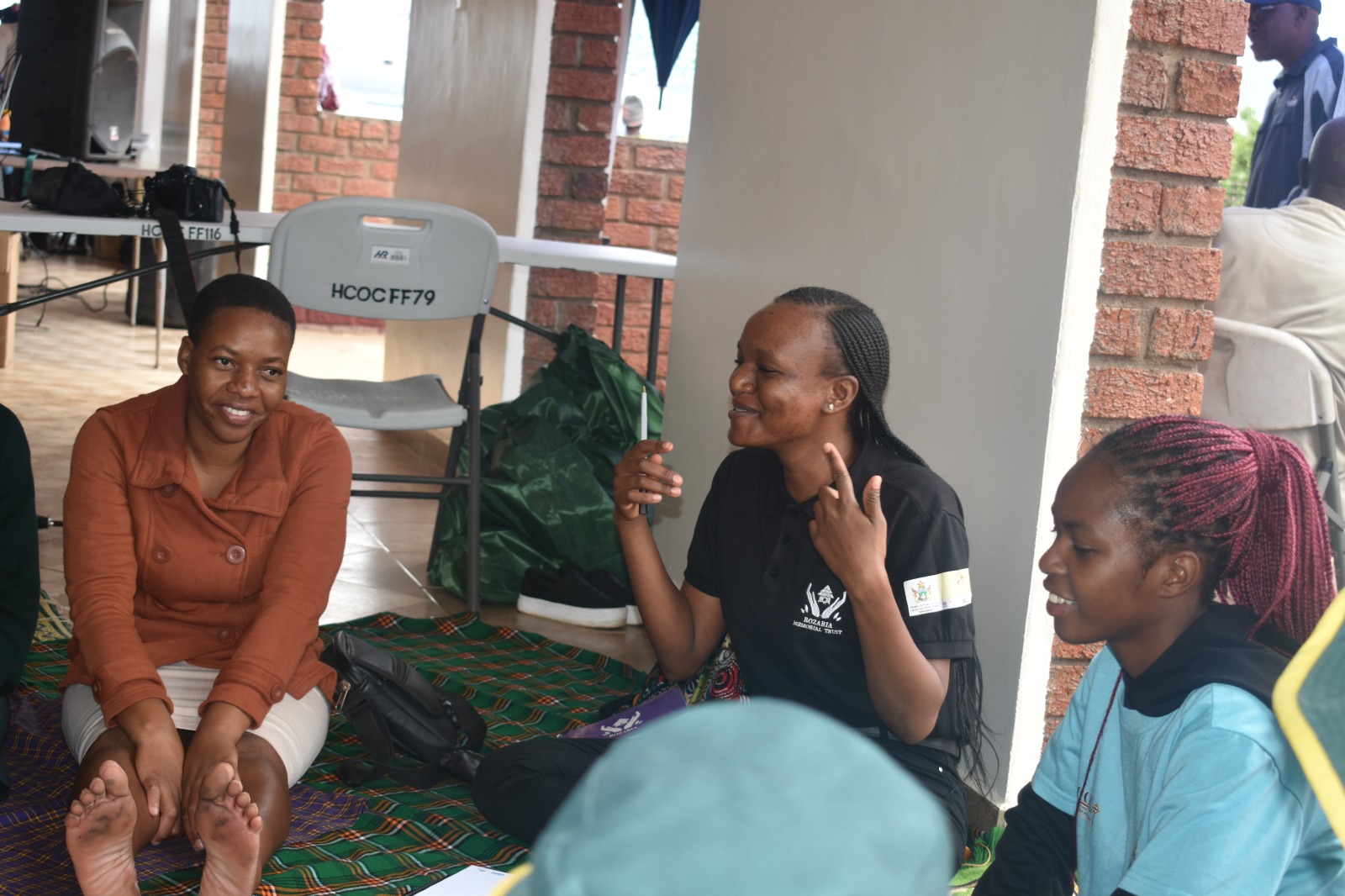
RMT leverages village and school-based Nhanga Safe Spaces to focus on comprehensive SRHR education and services for girls and young women living in rural and marginalised communities. These spaces, rooted in cultural practices, provide girls and young women with confidential, adolescent-friendly access to information and health services. Through targeted training and health partnerships with schools, local clinics, and hospitals, RMT ensures that girls are empowered with knowledge about their rights, reproductive health, and prevention of gender-based violence (GBV). This foundation is vital for their well-being and future autonomy.
Building Leadership and Amplifying Voices
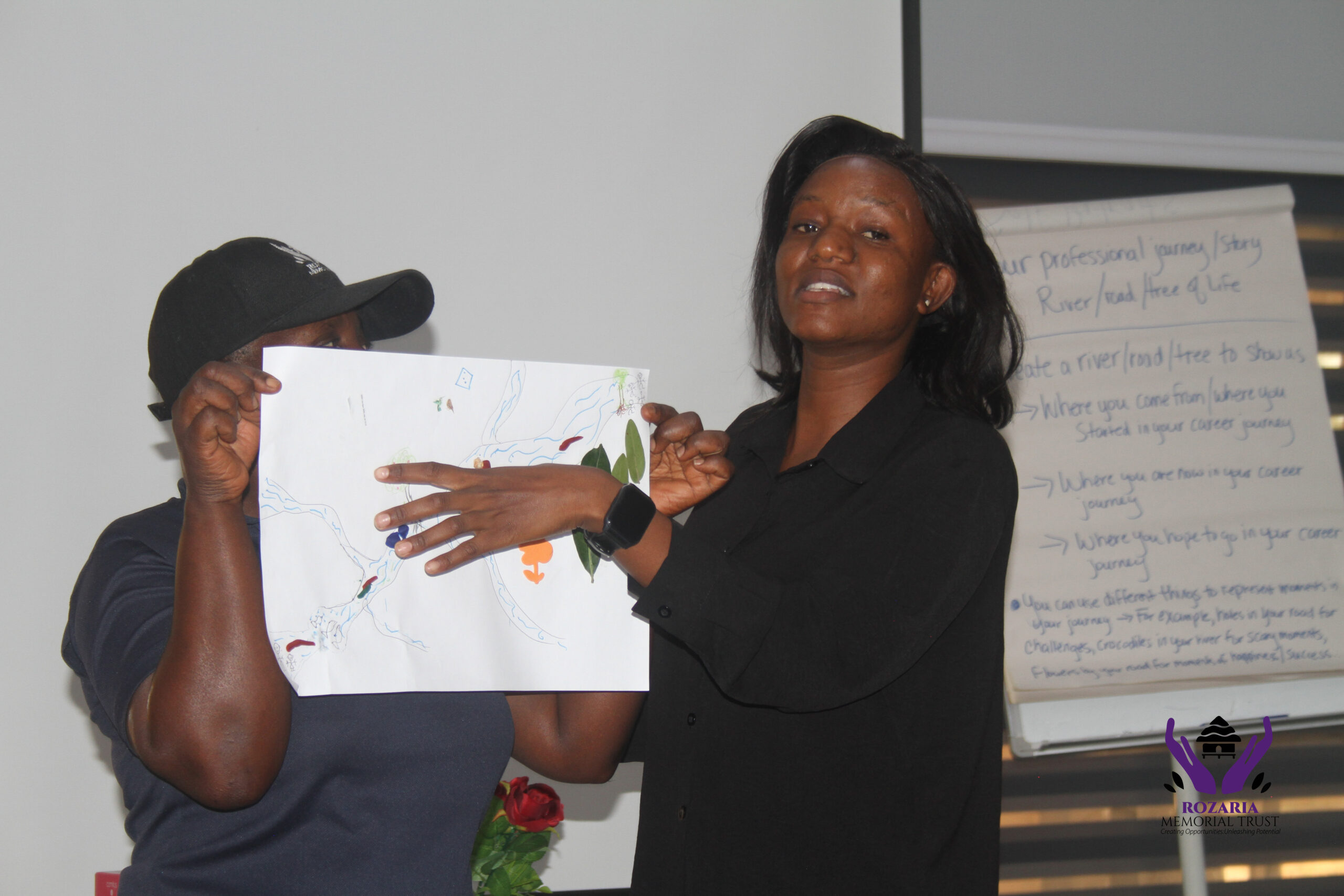
RMT invests in leadership development programs within Nhanga Safe Spaces, including capacity-building training, mentorship, and fellowship initiatives. These activities equip girls and young women with advocacy skills, confidence, and eloquence to speak out on issues affecting their lives. Establishing a network of Nhanga alumni fosters peer learning, mentorship, and collective advocacy, enabling young people to influence local, national, and regional policies on gender equity, health, and education. Organizing career expos and leadership forums further amplifies their voices and expands their opportunities.
Building a Girls' Movement for Change
RMT aims to mobilize young women and girls into a vibrant movement for social change. Through bi-annual sports tournaments, community engagement, and self-representation initiatives, girls are encouraged to lead advocacy efforts on SRHR, GBV prevention, and gender equality. These activities foster resilience, leadership, and community ownership. By empowering girls to become change agents, RMT nurtures a sustainable movement that champions gender equity, health rights, and educational access across local, national, and regional platforms thereby creating opportunities and unleashing potential.
Survivor-Centered Response and Referral Pathway
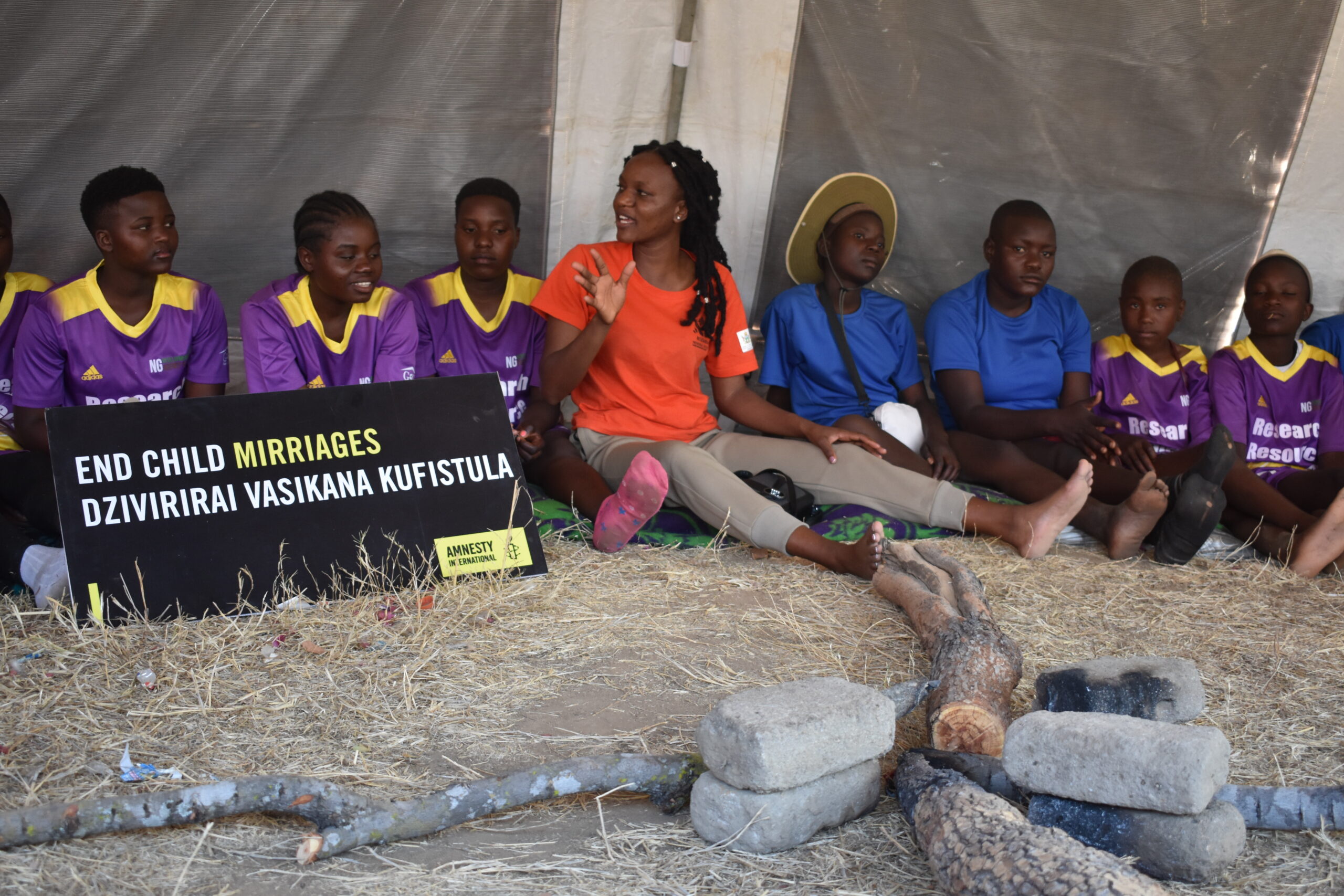
Rozaria Memorial Trust (RMT) offers holistic, community-based services to support survivors of gender-based violence (GBV) and their families. We are an integral part of the GBV referral pathway, ensuring survivors access critical services such as immediate protection, emergency shelter at Dendere, legal justice, healthcare, and psychosocial support. Through our Education and Counselling Centre (RMT ECC), established in 2019, we follow standardized protocols to guarantee ongoing access to these essential services, placing survivors at the heart of our interventions.
Working with Community and Traditional Institutions to Respond to GBV
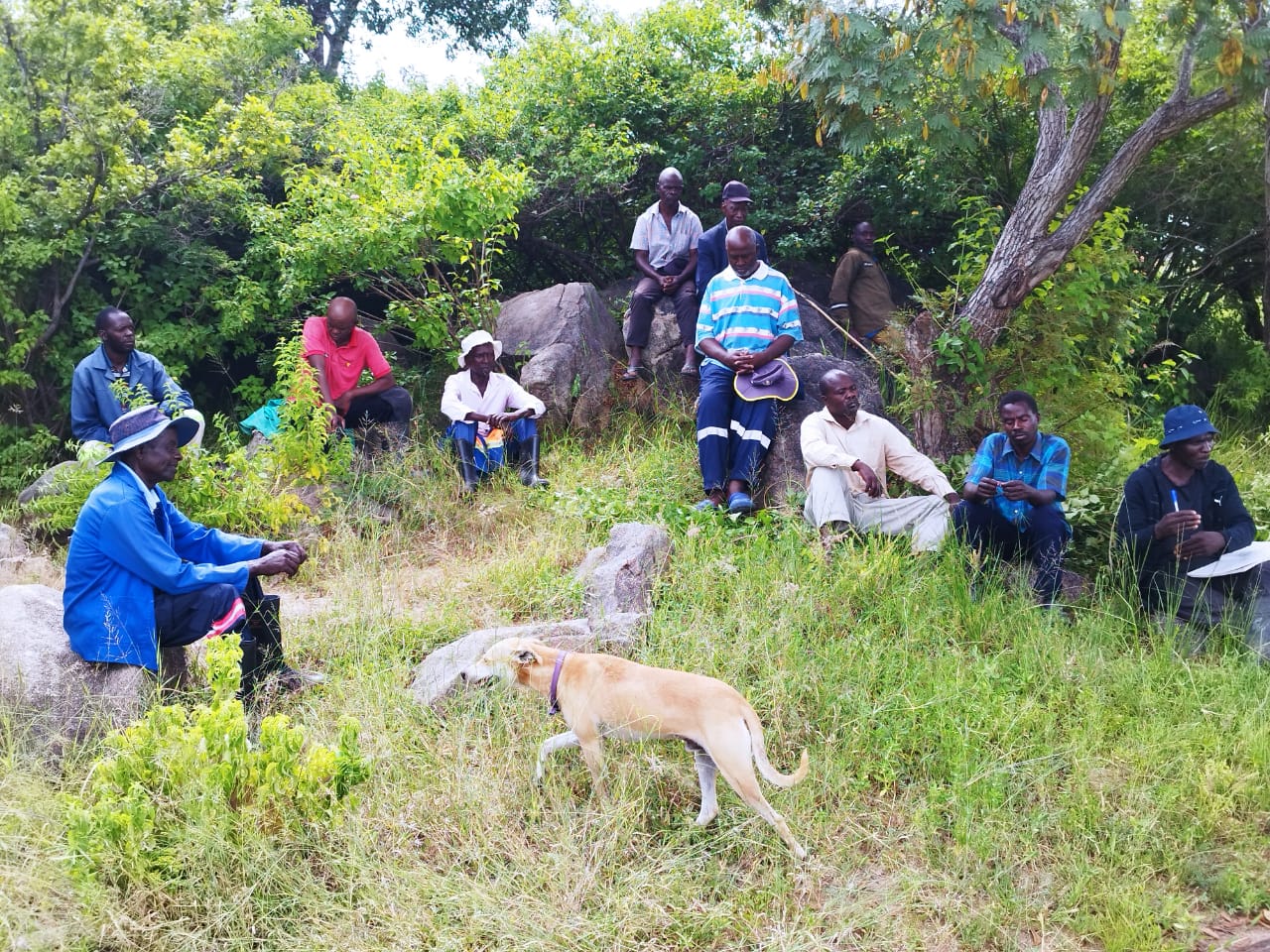
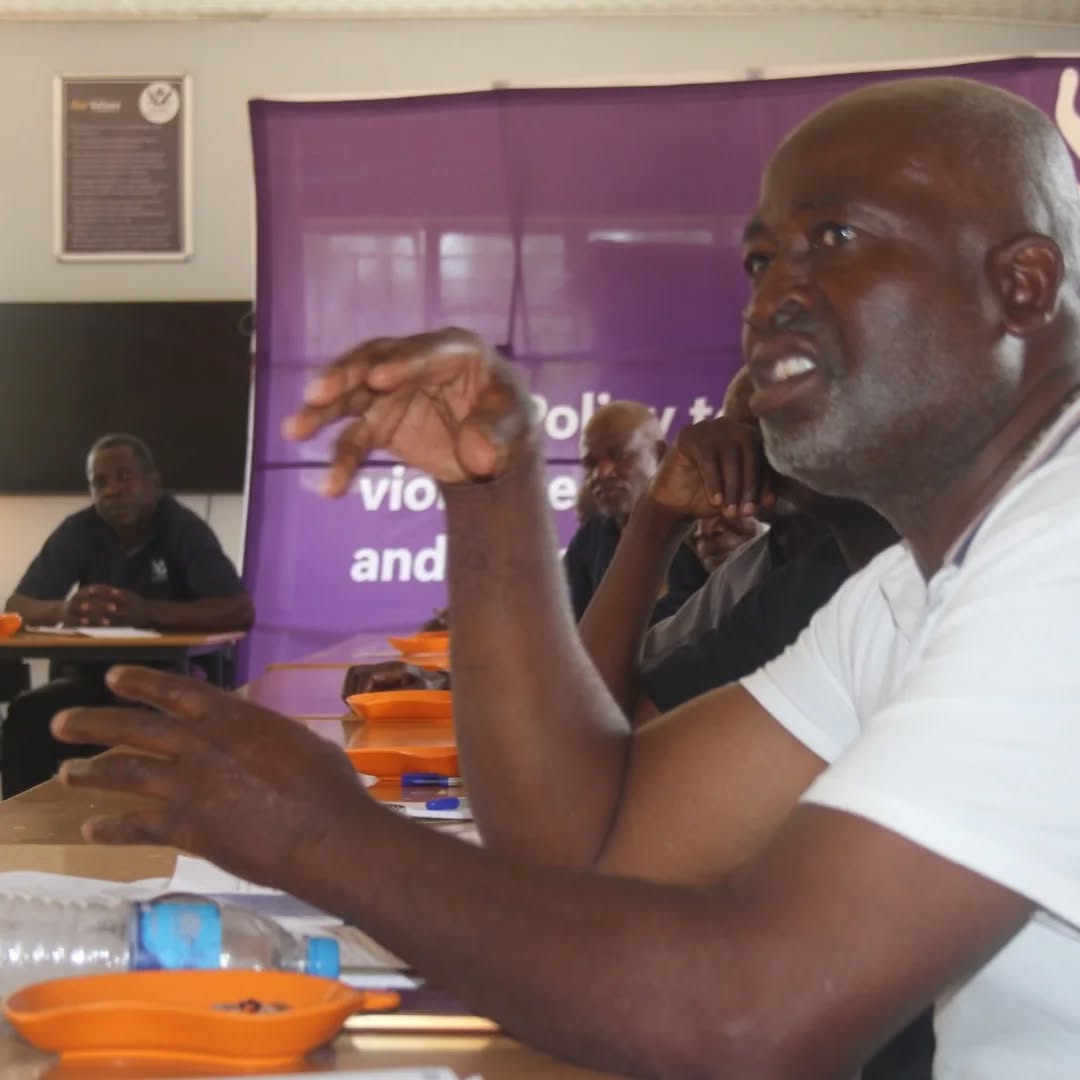
At the heart of our approach is the active engagement of community and traditional institutions to prevent and respond to GBV. We collaborate with traditional leaders, religious leaders, men, and boys to foster community-wide change, challenge harmful social norms, and promote positive masculinity. Our work involves supporting the development and enforcement of Chiefs’ Commitments on SGBV, ensuring these commitments are accessible, visible, and upheld within the community. We also facilitate capacity-building initiatives for traditional and religious leaders on laws, policies, and enforcement related to SGBV, empowering them as key agents of change. Through dialogues, community mobilization, and inclusive participation, we aim to cultivate an environment where gender equality is upheld, and violence against women and children is actively prevented. Our approach recognizes that sustainable change requires collective responsibility, rooted in community trust, respect, and shared commitment to safeguarding everyone’s rights.
Addressing Digital Violence and Technology-Facilitated GBV
Recognizing the rise of Technology Facilitated GBV (TFGBV), RMT invests in digital literacy and online safety training for women and children. Survivors and community members can report incidents and access support via our digital platforms, including hotlines and online reporting tools. We also leverage the Feminist Knowledge Hub to bridge the gender digital divide, providing women and girls with vital information on gender issues, GBV, and referral pathways to promote safe and responsible digital engagement.
Expanding Access to Formal Education and Vocational Training
The RMT Programme Initiative is committed to creating a transformative impact on young women and children at risk, as well as survivors of Sexual and Gender-Based Violence (SGBV) and HIV. Guided by the objective to enhance their access to formal education, digital skills, and Technical and Vocational Education and Training (TVET), the initiative aims to foster resilience, economic empowerment, and social inclusion. A key strategy in achieving this is the establishment of a comprehensive TVET program at the RMT ECC, serving as a hub for skill development and capacity building. RMT actively seeks partnerships with reputable TVET centers to increase enrollment and ensure retention, providing diverse vocational options that align with market demands. These efforts create pathways for marginalized young women and children to acquire relevant skills that can lead to sustainable livelihoods, ultimately breaking cycles of poverty and marginalization.
Supporting Re-entry, Outreach, and Psycho-social Well-being
Understanding the unique challenges faced by survivors of SGBV and those affected and infected by HIV, the initiative emphasizes targeted outreach and scholarship opportunities to support their educational journeys. Special re-entry programs are designed to help students overcome institutional and psycho-social barriers, facilitating their safe and supportive return to school. RMT also provides vital psycho-social support services aimed at fostering resilience, rebuilding confidence, and addressing trauma, thereby creating safe and nurturing environments that promote both learning and personal growth. These comprehensive support mechanisms ensure that vulnerable young women and children not only access education but are also empowered to sustain their progress and thrive.
Leveraging Technology for Holistic Empowerment
Beyond traditional vocational training, the initiative recognizes the importance of digital literacy in today’s economy. Through computer and ICT training, RMT leverages the power of technology to enhance economic and social empowerment for young women and children at risk. These digital skills are integrated with life skills training and economic incubation programs, equipping participants with the tools necessary to navigate the modern workforce and pursue entrepreneurial opportunities. By fostering digital literacy alongside skill development, RMT aims to open new avenues for employment and self-sufficiency, ultimately contributing to the broader goal of empowerment and resilience for marginalized youth.
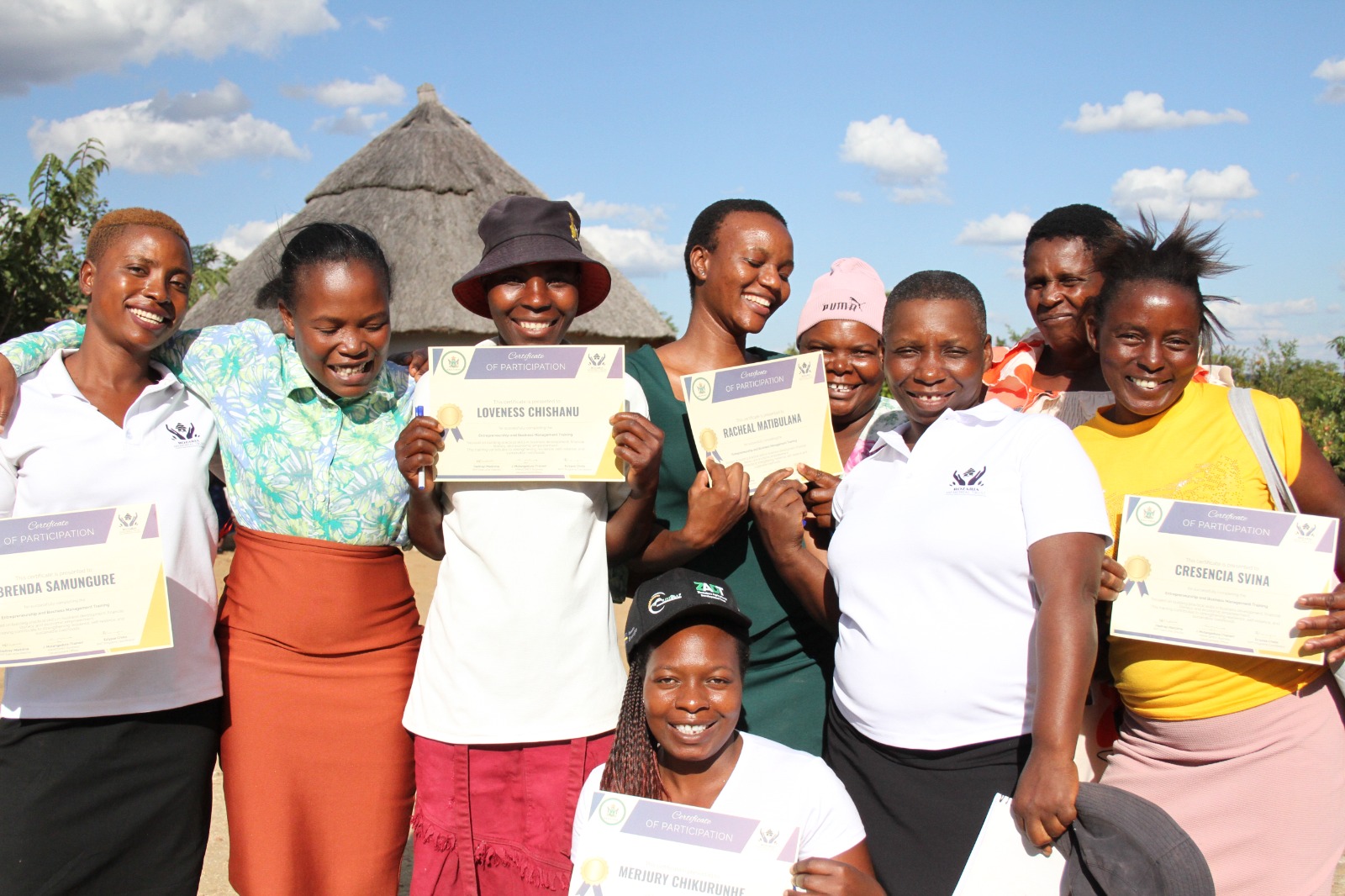
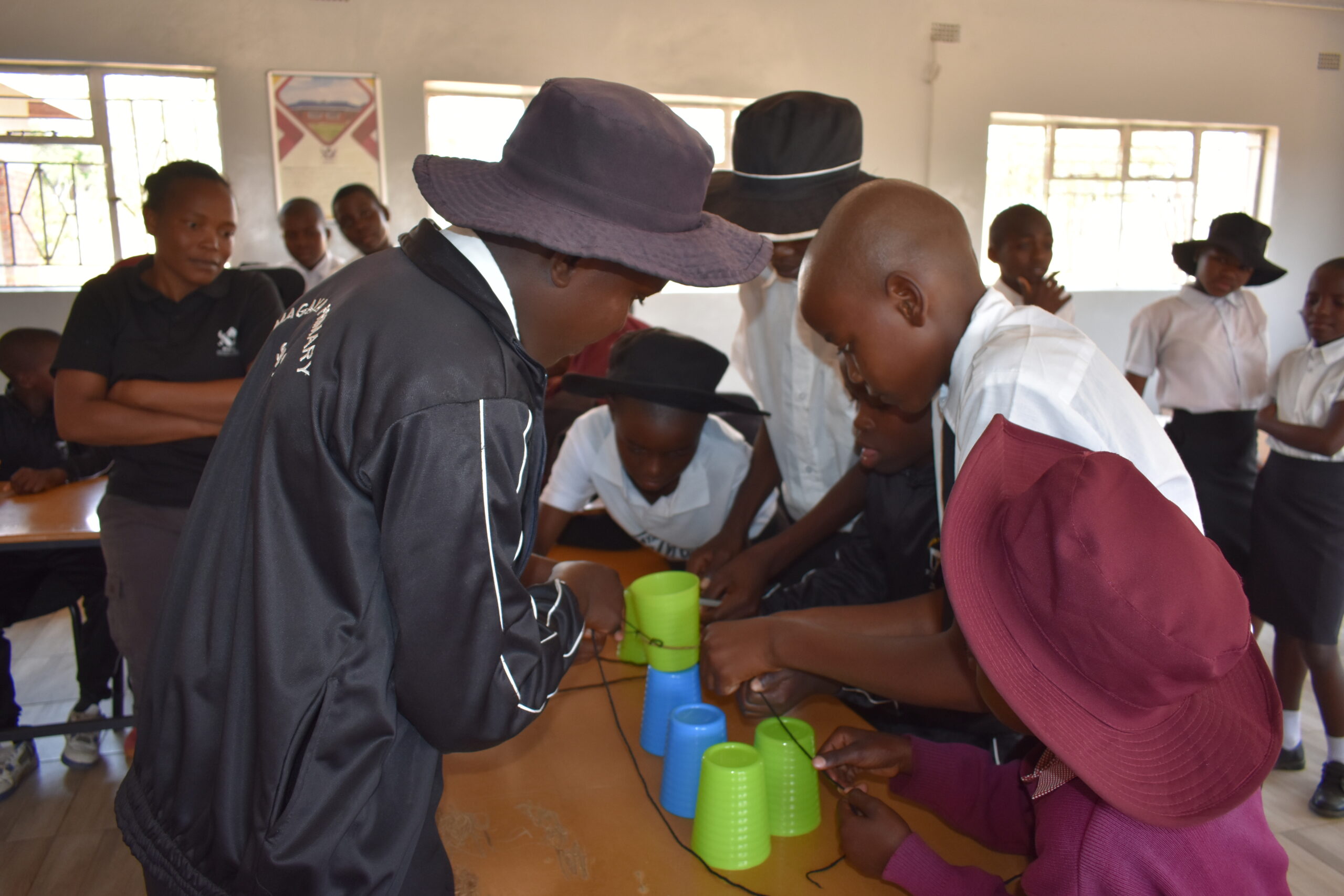
The RMT (Resilience and Market Transformation) Programme is dedicated to building sustainable, resilient communities particularly focusing on empowering women, improving climate resilience, and promoting equitable resource access. The following key areas outline how the programme achieves these goals:
Supporting Livelihoods & Equitable Resource Access
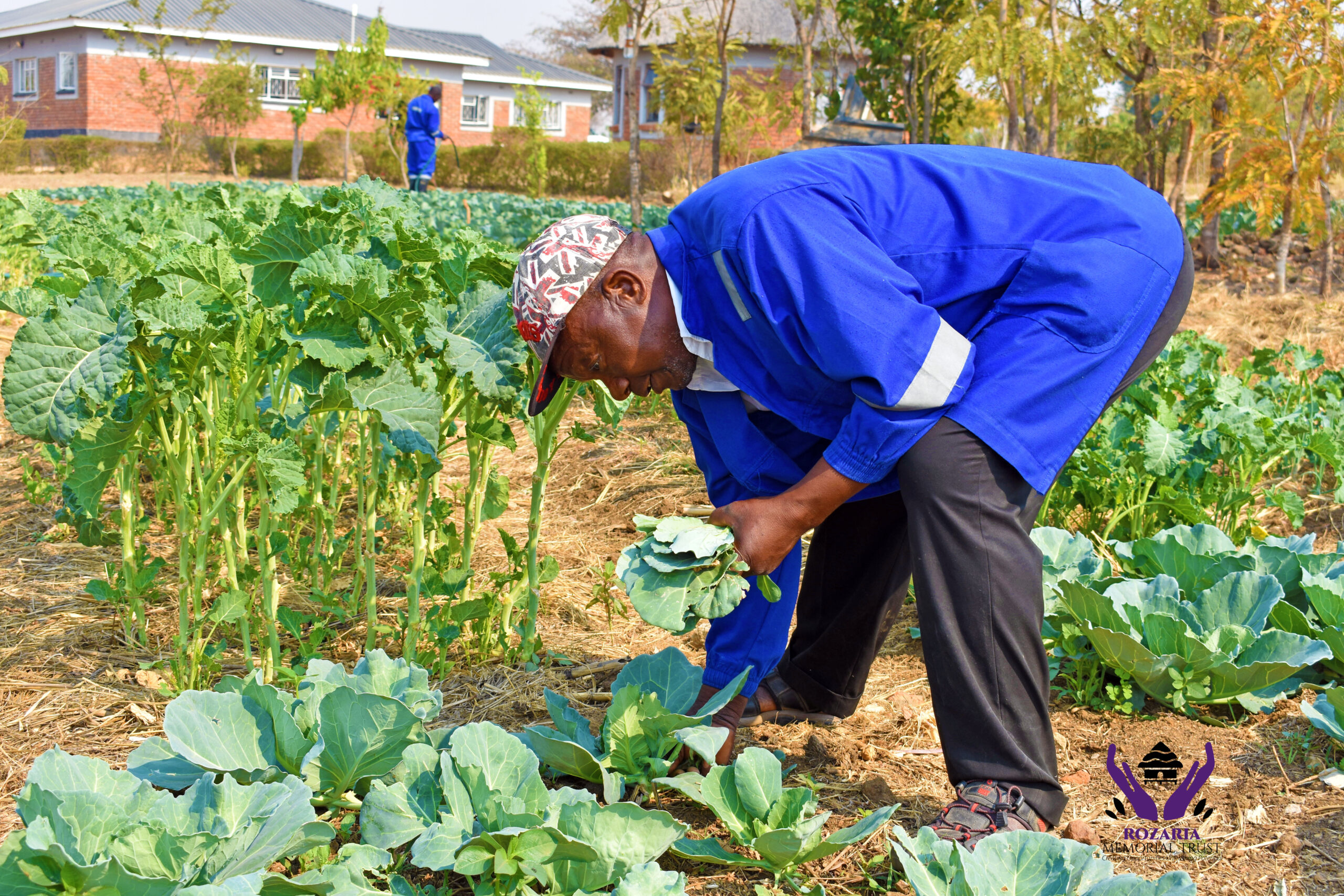
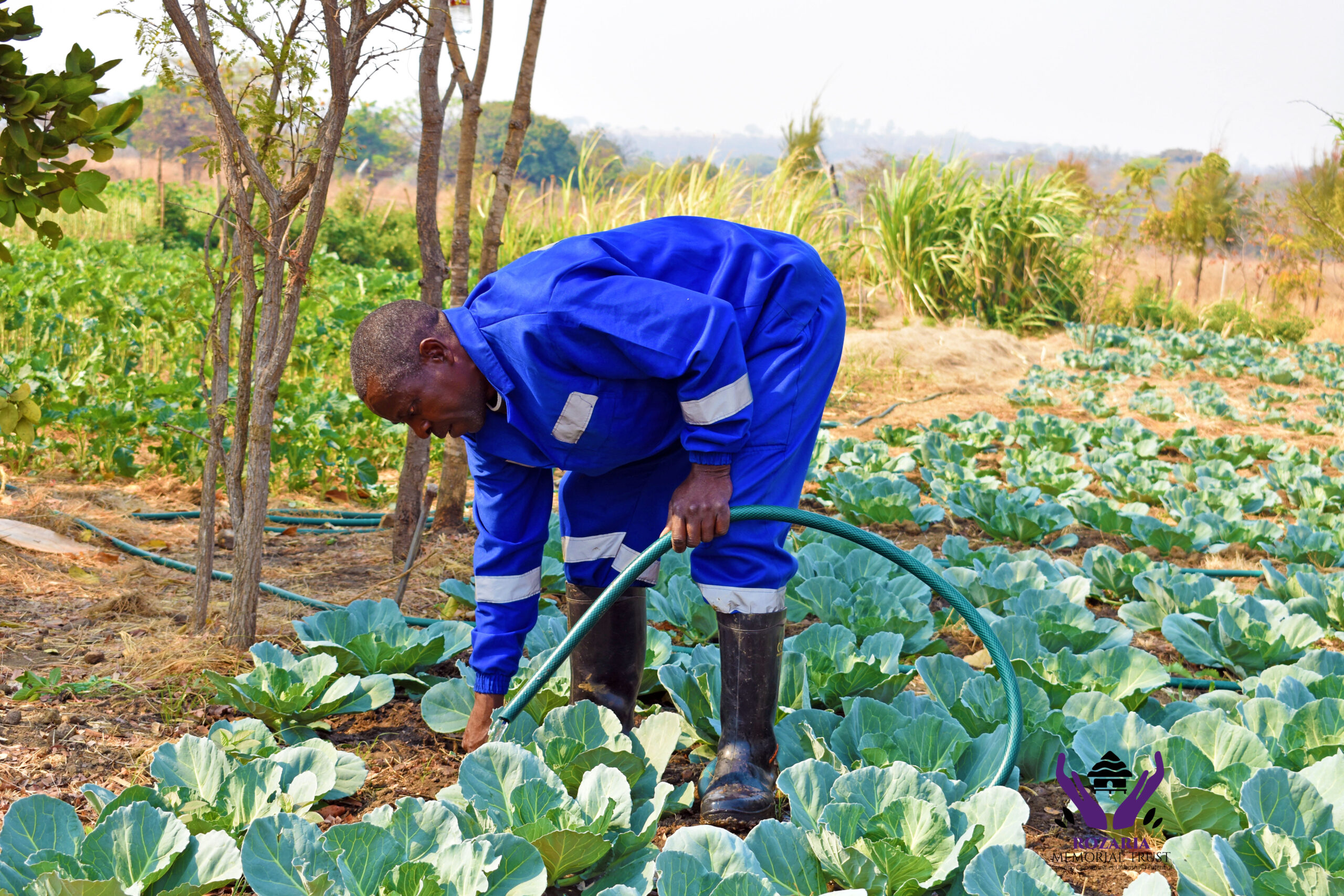
The RMT Programme supports access to climate-resilient resources, promoting climate-smart agriculture, micro-enterprise development, and skills training to diversify income and strengthen economic resilience and equitable resources access. It also advocates for dialogue with government and traditional institutions to ensure women and marginalized groups gain fair land and resource ownership, fostering social equity and empowering women to participate fully in local development.
Building Climate Resilience & Disaster Preparedness
RMT conducts tailored capacity strengthening trainings and support access to resources to equip women and rural farmers with climate-smart farming practices, water management, and renewable energy solutions. Additionally, the programme establishes community-based early warning systems in collaboration with local leaders, enhancing disaster preparedness and response. It actively promotes women’s participation in decision-making at all levels, ensuring their voices drive climate resilience efforts. Crucially, RMT advocates for increased women participation in decision-making processes at village, ward, and district levels, ensuring their voices are central to shaping climate resilience strategies and sustainable development initiatives.
Research and Evidence Generation
We conduct rigorous research studies and develop policy briefs on critical issues affecting women and girls, including sexual and reproductive health and rights (SRHR), gender disparities, and GBV. Our objective is to generate credible evidence that informs policy and programmatic interventions. To enhance the quality and reach of our research, we collaborate with esteemed institutions of higher learning, including Kings College London (KCL), alongside regional universities and research centers. These partnerships enable us to leverage expertise, innovative methodologies, and global best practices. We utilize regional platforms such as SADC and the African Union (AU) to disseminate findings and advocate for the rights of women and children. Importantly, we actively use the generated evidence to inform and adapt our programming and interventions, ensuring they are evidence-based and impactful. Additionally, we develop and maintain an online repository of success stories and best practices, serving as a valuable resource for stakeholders and advocates.
Advocacy and Policy Influencing
Our advocacy efforts focus on organizing regional and national campaigns utilizing media, workshops, and stakeholder engagements to raise awareness and foster social change. At the national level, the RMT collaborates closely with government agencies such as the Ministry of Women Affairs, Community, and SMEs, as well as CSO networks including the Women Coalition of Zimbabwe. These partnerships enable us to align our efforts with national priorities and policies. At the regional level, we actively participate in platforms such as SADC, the African Union, the United Nations Commission on the Status of Women (UN CSW), among others. Through these engagements, we advocate for gender justice, the prevention of GBV, and improved health outcomes. Our media campaigns and stakeholder dialogues aim to influence policies that promote gender equity and social transformation, creating an enabling environment for sustainable change.